COMRADE BOMBSHELL, THE STRUGGLE, AND THE TRUTH WE FEAR
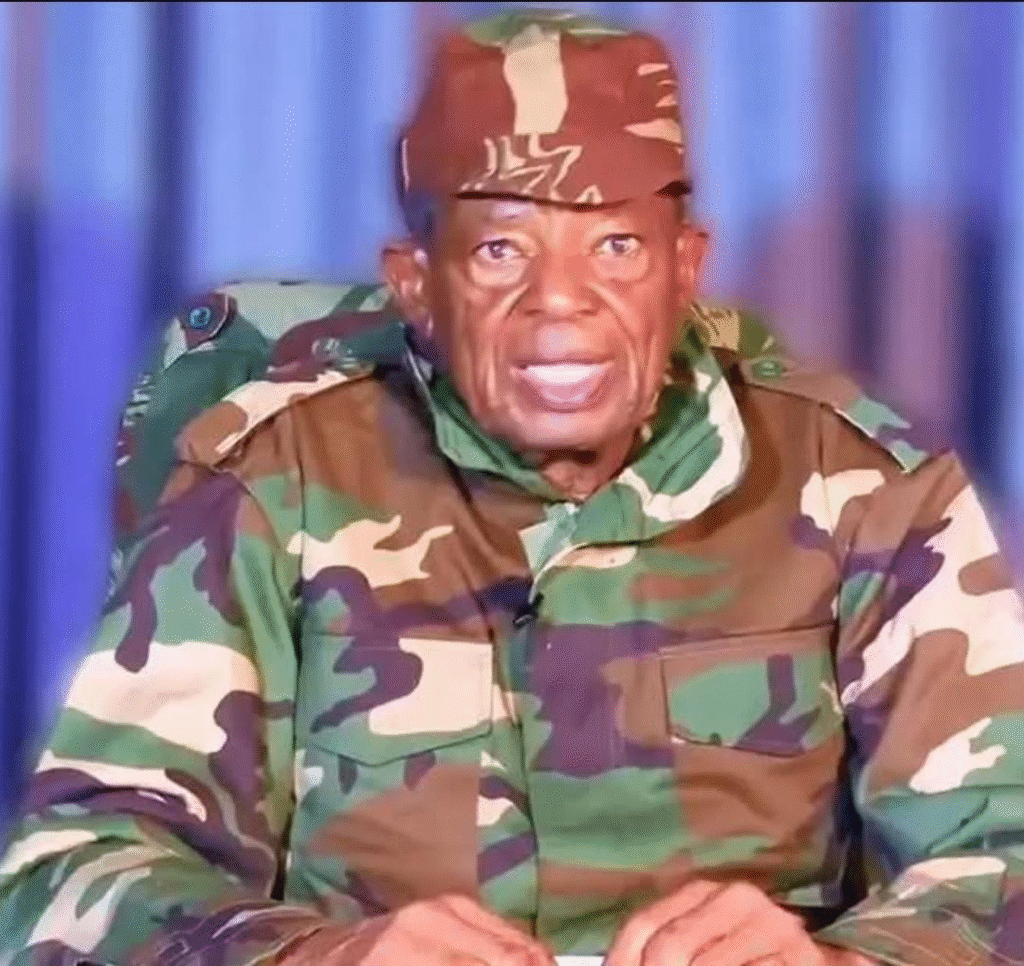
Blessed Runesu Geza, known to many as Comrade Bombshell, died in the early hours of 6 February 2026 at a cardiac hospital in South Africa. He was a war veteran of Zimbabwe’s liberation struggle and later became a loud and angry political voice. In his later years, he openly criticised the post-liberation state and its leaders, including Emmerson Mnangagwa. His death forces us to face an uncomfortable truth about our politics and ourselves.
Reader, Geza leaves behind a hard record and a question we cannot avoid. What was the liberation struggle really for. It was not only about replacing white rulers with black ones. It was about real freedom, economic justice, racial equality, and people controlling their own resources. It was about one person one vote, human rights, and dignity. Freedom to move, to speak, to meet, and to disagree. These were not foreign ideas. They were at the heart of the struggle.
This thinking sits in a long African tradition shared by thinkers like Thomas Sankara, Sabelo J. Ndlovu-Gatsheni, and Brian Raftopoulos. Their message was simple. Independence without freedom and economic change is not liberation. It is an unfinished struggle. A flag alone does not feed people or protect them from abuse.
In Geza’s later speeches, this lost promise returned. His anger echoed the warning made by Frantz Fanon in The Wretched of the Earth. Fanon warned that after independence, a new black elite would take over the colonial state and use it for personal gain. The system stays the same, only the faces change. Power becomes about wealth, fear, and control, not freedom.
This is what Geza was angry about. A state captured by families, money interests, and political fixers. A state empty inside, but still speaking the language of liberation. Words like revolution and sovereignty were used to hide corruption and violence. Mimicry replaced change. The old system survived under new colours.
But honesty demands we speak clearly. Geza was not only a critic. He was also part of the system he later attacked. As a ZANU PF insider, he helped build the same political economy of fear and accumulation. His role in the November 2017 events that removed Robert Mugabe and brought in Mnangagwa placed him inside elite power struggles. As Ralph Miliband explained, elites often change positions while the system stays untouched.
This pattern is common in post-liberation states. Former fighters become managers of broken systems. They move far from the hopes that once gave them support. What made Geza different in the end was not purity, but public regret. He said he had apologised for his role. That apology mattered. In a system built on silence, apology is dangerous. Silence protects power. Speaking breaks it.
In breaking that silence, Geza paid a heavy price. He fled to South Africa while being hunted by the state. He died there, in exile. Reader, his life and death remind us that the struggle is unfinished, and that truth, once spoken, always demands a cost.